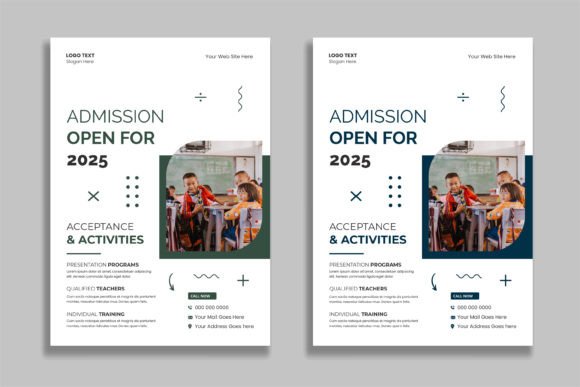
Strategic Communication in Education: Leveraging the Junior School Promotion Education Flyer
In the competitive landscape of educational marketing, clarity and visual appeal are not merely aesthetic choices; they are fundamental components of strategic communication. For administrators, marketers, and educators tasked with attracting families to junior school programs, the Junior School Promotion Education Flyer serves as a critical touchpoint. It is often the first tangible interaction a prospective parent has with your institution’s brand identity. When executed with precision, this medium does more than disseminate information—it builds trust, establishes credibility, and guides decision-making.
However, many institutions treat flyer creation as an afterthought, relying on generic templates without considering the underlying psychological and strategic implications. To achieve better results, one must approach the design and distribution of these materials with the same rigor applied to curriculum development or operational planning. This article explores how to utilize the Junior School Promotion Education Flyer intentionally, ensuring it aligns with broader institutional goals and delivers measurable value.
The Strategic Role of Visual Assets in Enrollment Marketing
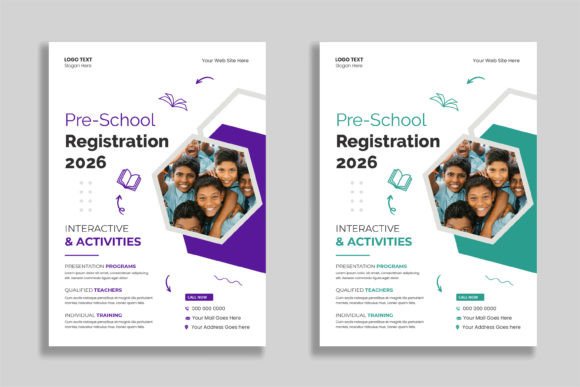
A flyer is rarely just a piece of paper; it is a condensed narrative of your school’s value proposition. In the context of junior education, parents are making high-stakes decisions about their children’s foundational years. They are looking for safety, academic excellence, social development, and a nurturing environment. A well-crafted Junior School Promotion Education Flyer addresses these concerns simultaneously through visual hierarchy and concise copy.
When you rely on a structured format, such as a professional Junior School Promotion education flyer template File - EPS, you are not simply saving time on layout. You are ensuring consistency in branding. EPS (Encapsulated PostScript) files are vector-based, meaning they maintain high resolution regardless of scaling. This technical advantage allows for versatile usage, from small handouts at community events to large-format banners at open houses. The ability to scale without loss of quality ensures that your brand appears polished and professional, reinforcing the perception of institutional stability.
Aligning Design with Institutional Goals
Before opening any design software, it is essential to define the specific objective of the campaign. Are you aiming to increase general awareness, drive attendance to an open house, or highlight a new STEM program? The answer dictates the content strategy. A flyer designed for broad awareness should focus on emotional connection and brand values, using imagery of happy, engaged students. Conversely, a flyer targeting specific program enrollment must prioritize factual data, such as curriculum highlights, teacher qualifications, and facility features.
Strategic alignment also involves understanding your audience’s journey. Parents of junior school students are often time-poor and information-overloaded. Your material must respect their cognitive load. Use clear headings, bullet points, and ample white space to make key information scannable. The goal is to reduce friction in the decision-making process, allowing parents to quickly ascertain whether your school meets their criteria.
Practical Applications and Distribution Strategies
The utility of a Junior School Promotion Education Flyer extends beyond digital email attachments. Physical presence remains powerful in local community engagement. Consider the following scenarios where targeted distribution can yield significant returns:
- Community Partnerships: Distribute flyers at local libraries, pediatric clinics, and family-friendly cafes. These locations attract your exact demographic in a relaxed setting.
- Feeder Preschools: Establish relationships with nearby preschools. A well-designed flyer left at their reception desk serves as a trusted recommendation.
- Local Events: Participate in community fairs or sports days. Handing out a high-quality, visually appealing flyer creates a tangible memory of your brand.
- Direct Mail Campaigns: Target specific neighborhoods with high concentrations of young families. Personalize the message if possible to increase relevance.
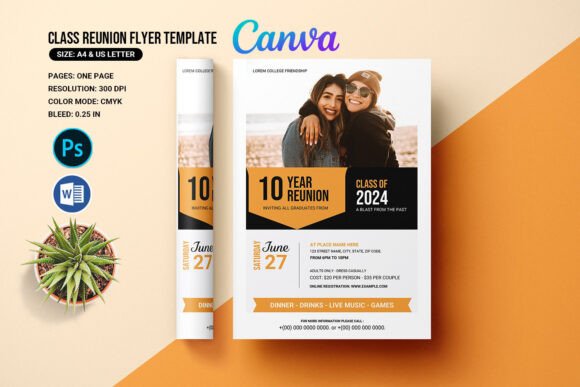
Each channel requires a slight adaptation of the core message. For direct mail, the headline might focus on convenience and location. For community events, it might emphasize extracurricular activities and social belonging. Using a flexible template allows you to iterate quickly without redesigning from scratch, supporting agile marketing practices.
The Importance of High-Quality Templates
Utilizing a Junior School Promotion education flyer template File - EPS offers several operational advantages. First, it ensures design consistency across all marketing materials. Consistency builds brand recognition, which is crucial for long-term reputation management. Second, it reduces the burden on internal teams. Educators and administrators are not necessarily graphic designers. A professional template provides a solid foundation, allowing non-designers to input text and images while maintaining aesthetic integrity.
Moreover, vector-based templates are editable and scalable. You can easily adjust colors to match seasonal campaigns or specific event themes. This flexibility supports creativity without compromising professionalism. It allows schools to respond rapidly to emerging opportunities, such as last-minute open house announcements or new program launches.
Risks of Unintentional Design and Messaging
While flyers are powerful tools, they carry risks if used without clear intent. A common pitfall is information overload. Cramming too much text onto a single page dilutes the main message and overwhelms the reader. If a parent cannot identify the primary call-to-action within five seconds, the flyer has failed its purpose.
Another risk is misalignment with brand values. A flyer that looks cheap or disorganized suggests a lack of attention to detail in other areas, such as classroom management or administrative efficiency. Parents often extrapolate from marketing materials to infer the quality of education. Therefore, investing in high-quality design is an investment in perceived educational quality.
Additionally, failing to track results leads to wasted resources. If you distribute thousands of flyers but have no mechanism to measure response rates, you cannot optimize future campaigns. Include unique QR codes, dedicated landing pages, or specific promo codes to track engagement. This data-driven approach transforms marketing from a cost center into a strategic asset.
Decision-Making Framework for Effective Campaigns
To maximize the impact of your Junior School Promotion Education Flyer, adopt a structured decision-making framework:
- Define the Objective: What specific action do you want the recipient to take?
- Identify the Audience: Who are they, and what are their primary concerns?
- Craft the Message: Focus on benefits, not just features. How does your school improve the child’s life?
- Choose the Format: Select a template that supports your message and brand identity.
- Select Distribution Channels: Where does your audience spend their time?
- Measure and Iterate: Track responses and refine your approach based on data.
This framework ensures that every flyer serves a strategic purpose. It moves the process from random acts of marketing to a cohesive communication strategy. By focusing on outcomes rather than outputs, you create materials that resonate with parents and drive enrollment.
Long-Term Value and Brand Building
Beyond immediate enrollment goals, consistent use of high-quality promotional materials contributes to long-term brand equity. A school known for clear, professional, and engaging communication is perceived as organized and trustworthy. This perception influences not only prospective parents but also current families, staff, and the wider community.
Furthermore, reusable assets like EPS templates provide ongoing value. They can be adapted for various purposes throughout the year, from fundraising events to alumni newsletters. This versatility maximizes return on investment and supports sustainable marketing practices. By building a library of well-designed templates, schools can maintain high standards even with limited resources.
In conclusion, the Junior School Promotion Education Flyer is a potent tool when wielded with strategic intent. It bridges the gap between institutional offerings and parental needs, facilitating informed decisions and fostering trust. By prioritizing clarity, consistency, and measurement, educators and marketers can transform simple print materials into powerful drivers of growth and community engagement. The key lies not in the complexity of the design, but in the intentionality behind every word and image. Approach your next campaign with this mindset, and you will see not just increased inquiries, but deeper connections with the families you serve.