Bookstore Logo Template: A Guide for Creators
In the competitive world of retail and education, a strong visual identity is often the first interaction a customer has with your brand. For those launching a physical shop, an online platform, or an educational initiative, the Bookstore Logo Template serves as a foundational element in establishing that connection. It is not merely a graphic; it is a symbol of knowledge, literature, and the specific atmosphere you wish to cultivate. Whether you are a seasoned graphic designer looking for a quick starting point or a small business owner navigating design for the first time, understanding how to leverage these templates can save time while ensuring professional results.
What Is a Bookstore Logo Template?
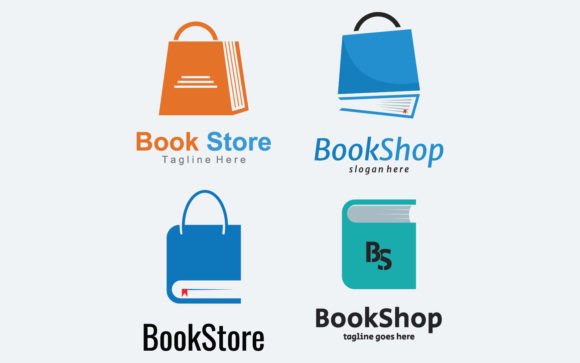
A Bookstore Logo Template is a pre-designed graphic asset intended to represent a business centered around books, reading, or learning. These designs typically incorporate elements such as open books, stacks of pages, quill pens, abstract lines representing text, or symbols associated with libraries and universities. Unlike a custom logo created from scratch by a designer, a template provides a structured framework that can be customized with colors, typography, and minor layout adjustments.
These assets are usually available in vector formats, allowing them to be scaled from a tiny favicon on a website to a massive sign on a storefront without losing quality. They often include flat, modern, or minimalist styles that align with current digital trends, making them versatile for both print materials like business cards and digital platforms like social media profiles. The core value lies in their ability to communicate concepts like education, study, and information instantly through established visual language.
Why Different Audiences Value These Designs
The relevance of a bookstore logo template varies significantly depending on who is using it. For a beginner entrepreneur, the primary appeal is accessibility. Starting a business involves countless decisions, and designing a logo from scratch can feel overwhelming. A template offers a reliable solution that ensures the final product looks polished without requiring advanced technical skills.
For professional marketers and freelancers, the priority shifts toward efficiency and flexibility. When managing multiple clients or tight deadlines, having a library of high-quality templates allows for rapid prototyping. They can take a base concept—a simple shape or an icon of a book—and adapt it quickly to fit a client's specific color palette or brand voice. This speed does not necessarily compromise quality if the underlying template is well-constructed.
Educators and school administrators might view these templates differently. Their focus is often on clarity and approachability. A logo for a school library or a tutoring center needs to convey trust and intelligence without appearing too corporate or intimidating. A template featuring soft lines, friendly icons, or educational symbols like a graduation cap or a magnifying glass can effectively bridge this gap.
Practical Applications Across User Groups
- Small Business Owners: An independent bookseller might use a template to create a cohesive brand identity for their "open" sign, website header, and packaging. They prioritize cost-effectiveness and immediate usability over unique artistic expression.
- Digital Content Creators: Bloggers or YouTubers focused on literature reviews need a recognizable emblem for their channel art and thumbnails. They look for templates that translate well into digital formats and remain legible at smaller sizes.
- Corporate Trainers: Professionals running internal learning programs may use these designs to create a "corporate university" feel, signaling that their training materials are authoritative and structured.
- Hobbyists and Students: Someone organizing a community book club might use a simple, free template to create flyers or social media graphics, valuing ease of use above all else.
Evaluating Quality and Suitability
When selecting a Bookstore Logo Template, it is crucial to evaluate it against your specific goals. Not every template is suitable for every project. A design heavy with intricate details might look stunning on a large banner but become a blur when used as a profile picture on a mobile device. Conversely, a very abstract, line-based design might be perfect for a modern online bookstore but fail to resonate with a traditional, cozy neighborhood library.
Flexibility is a key metric. Can you easily change the font? Are the colors editable? Does the file structure allow you to separate the icon from the text? High-quality templates provide layers and vector paths that make customization intuitive. If a template feels rigid, it may limit your ability to evolve your brand later.
Commercial Value is another consideration. Ensure that the license accompanying the template permits commercial use. For business owners, using a design without the proper rights can lead to legal complications down the line. Professional-grade templates usually come with clear licensing terms that allow for unlimited use in business contexts, including merchandise and advertising.
Key Priorities for Decision Makers
- Speed vs. Customization: If you need a logo today, a template is ideal. If you have weeks and want something entirely unique, you might start with a template but plan to modify it heavily.
- Cost Efficiency: Templates are significantly cheaper than hiring a freelance designer. For startups with limited budgets, this is often the deciding factor.
- Brand Alignment: Does the style match your audience? A children's bookstore needs a playful, colorful design, while a law library requires something serious and structured.
- Long-Term Usefulness: Choose a timeless design. Trends in graphic design change rapidly; a logo that looks "modern" today might look dated in five years. Simple, clean shapes often age better.
Matching the Design to Your Project Type
To determine if a Bookstore Logo Template is the right choice for you, consider the scope of your project. If you are launching a single-location store with a modest marketing budget, a template provides an excellent balance of professionalism and affordability. You can focus your resources on inventory and customer service rather than design software subscriptions.
However, if you are building a global franchise or a major educational institution, a template might serve only as a mood board or a starting point. In these scenarios, the nuance required to differentiate a brand in a crowded market often demands a fully custom approach. Yet, even in these cases, professionals often reference template styles to understand current market expectations before commissioning original work.
For the student or educator creating a presentation or a local event, the barrier to entry is low. Many platforms offer free or low-cost templates that require no design experience. You simply upload the image, add your text, and download the result. This democratization of design tools means that anyone with an idea for a literary event can present it professionally.
Conclusion: Finding the Right Fit
The decision to use a Bookstore Logo Template ultimately depends on your specific needs, skill level, and long-term vision. For many, it represents a smart, practical step toward building a credible brand identity. It bridges the gap between having no visual presence and investing thousands in a custom campaign. By understanding the different priorities—whether it is speed, cost, creativity, or reliability—you can select a design that truly reflects the essence of your bookstore, library, or educational venture. Remember, the best logo is one that communicates your message clearly and resonates with your audience, regardless of whether it started as a template or a blank canvas.